
Meet the 2026 Scholars
Get to know the hopes, dreams, and talents of this year's winners.
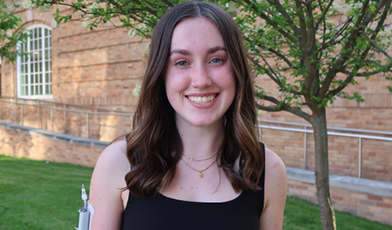
Reagan B.
Undergraduate
"How has your journey with CF shaped the problems you want to solve and the impact you hope to have on others?"
For most of my life, I have dreamed of becoming a published novelist. This desire was largely influenced by growing up with cystic fibrosis. As a child, I adored reading, but I hardly ever read books with characters like me. The first book I read with CF representation was the graphic novel Ghosts by Raina Telgemeier, which my uncle gifted to me shortly after it was published in 2016. Within the pages of Ghosts, the character Maya does breathing treatments, drinks high-calorie shakes, and uses a feeding tube and an oxygen tank. While I personally don't have either of the latter medical devices, a lot of people with CF do, and I felt very seen looking at the illustrations of her wearing her SmartVest and shaking up a drink similar to a Boost or Ensure. By reading Ghosts, I discovered how validating it is to read about characters that go through medical and emotional struggles that are similar to yours. That is where my desire to spread awareness and normalize disability in my own writing began. One of my main goals as a writer is to include characters with cystic fibrosis, with diabetes, and with other chronic illnesses or genetic diseases in my novels. I can count on one hand the books I've read that have a character with CF or diabetes, and they were all either contemporary fiction novels or memoirs. None of them were fantasy stories. The genre I mainly write in is fantasy, a genre that rarely includes disabled characters. Many fantasy books marketed toward children and young adults focus on heroic characters who undertake difficult quests to accomplish a large-scale goal, such as saving the world. Much more often than not, the protagonists of these novels are fully able-bodied and physically strong. Disabled, neurodivergent, and chronically ill characters are hardly ever included in fantastical plots. This tells young disabled children that they aren't capable or strong enough to be heroes. The stories I write will help remedy that. Because I found reading fantasy to be such a comforting escape as a kid, I want to maintain that phenomenon while also working toward making the genre more inclusive. For example, in the fantasy duology I am currently revising, one of the characters has CF. The story doesn't revolve around his disease, and the other characters don't shower him with pity or have to help him do things. Rather, while CF naturally hinders him sometimes, he is an independent, capable member of the team. I want to portray disabled characters who are defined by much more than their struggles: characters who are not in the story simply to serve as an "inspirational death" or just to tick a box on the diversity checklist. I want young adults with CF to feel empowered when they read about characters similar to them accomplishing great things.
Reagan B.'s Artwork
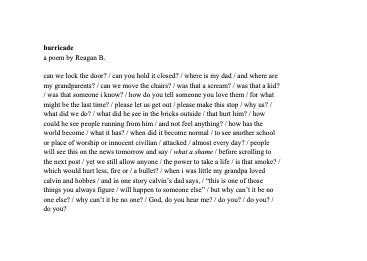
Reagan B.'s Achievements
- BGSU Dean's List, 2024-2025
- Two-Time Rock CF Half Marathon Runner, 2023 & 2026
- CF Foundation Blog, Guest Article Writer, 2025
- BGSU Honors College, 2024-2026
- Bowling Green YSA Relief Society, Second Counselor, 2025-2026
- The Cassiopeia Review, Staff Editor, 2025-present
- BGSU University Libraries, Information Desk Assistant, 2025-2026
- BGSU Writer's Nest, Treasurer, 2025-2026
- BGSU Her Campus, Article Writer, 2025-2026
